Olive harvestFeature
In Nablus, the olive harvest begins before dawn
For families who have tended the same groves for generations, October means early starts, shared work and a harvest that is never guaranteed.
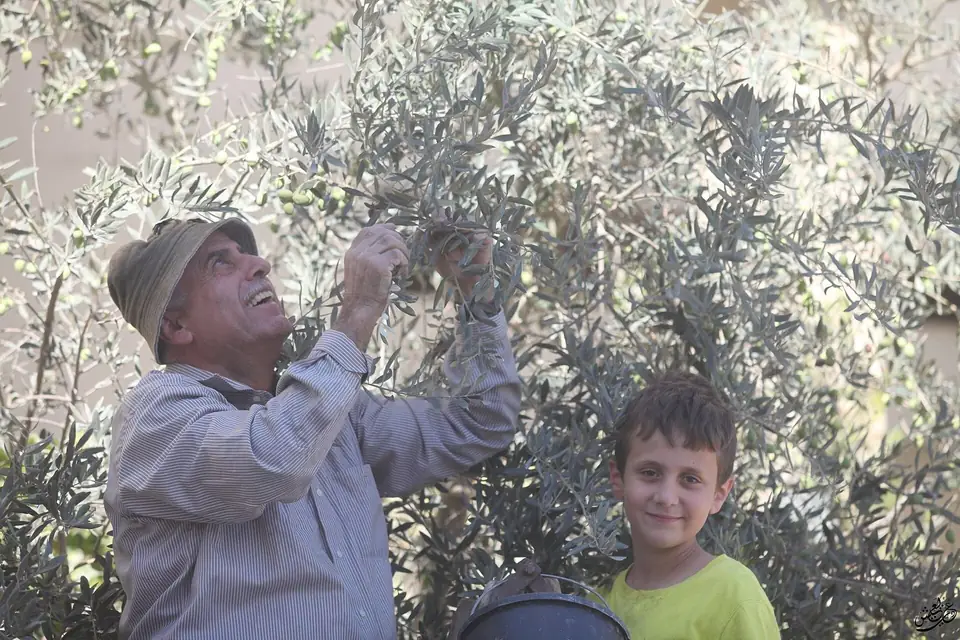
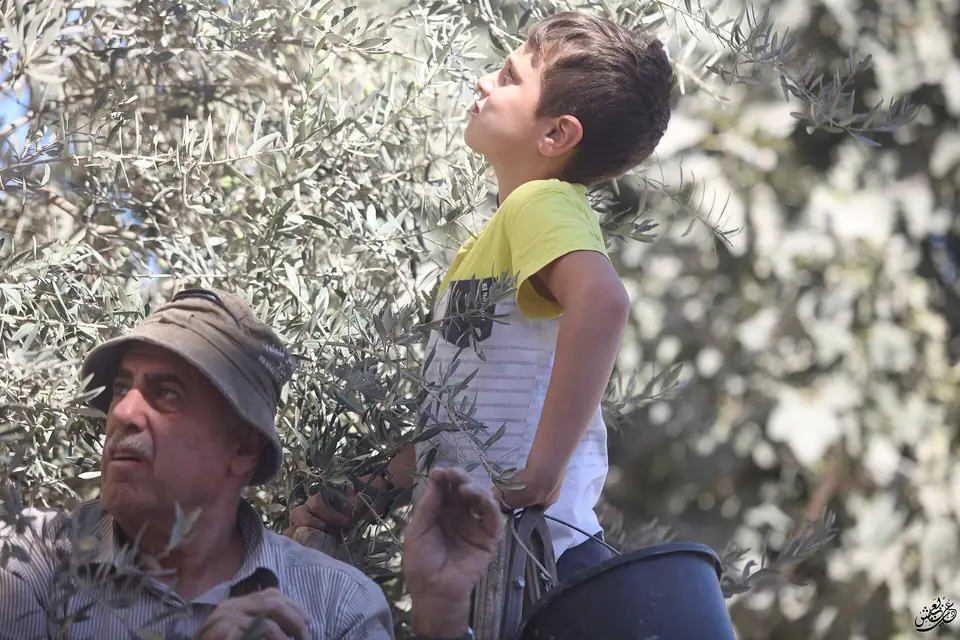
NablusThe first sound in the groves is not the picking but the ladders: aluminium rungs set against old trunks while it is still dark, so that the work can start at first light and stop before the midday heat.
Across the hills around Nablus, the harvest is a family calendar as much as an agricultural one. Weddings and visits are arranged around it; relatives who live in the cities come back for the weekends; children too small to pick are given the job of gathering what falls.
Context
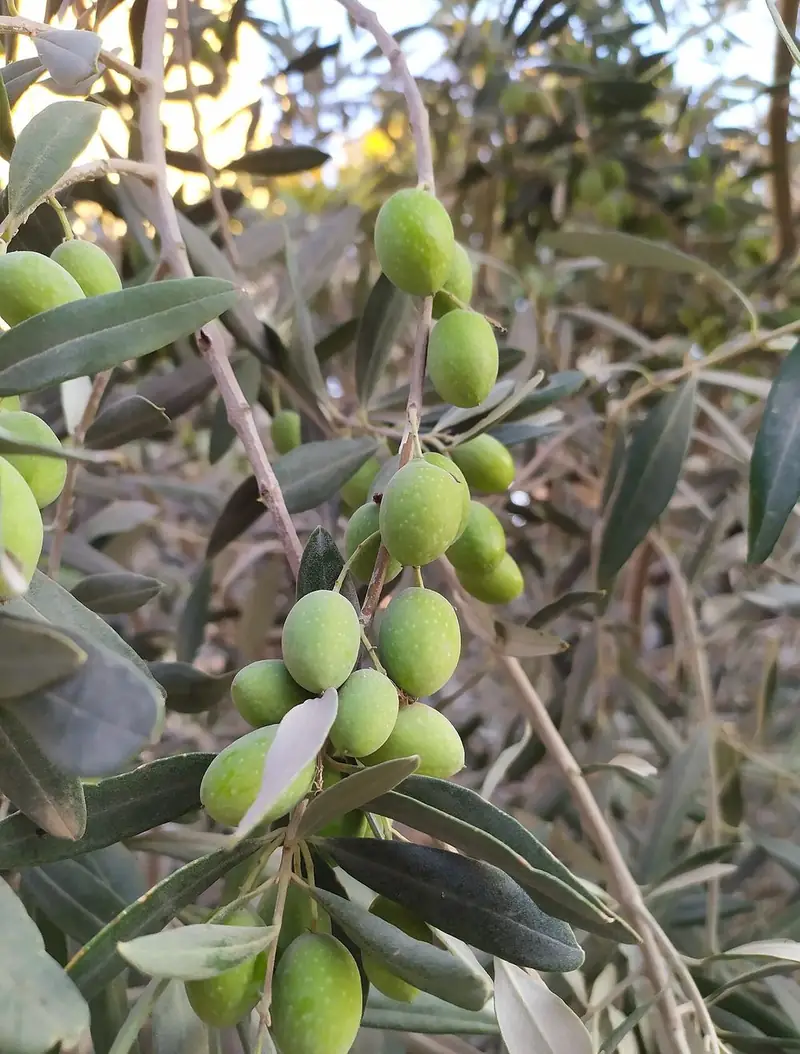
The harvest usually begins in October, often after the first autumn rain, and runs into November. The Nabali variety, common in the northern West Bank, is prized for its oil.
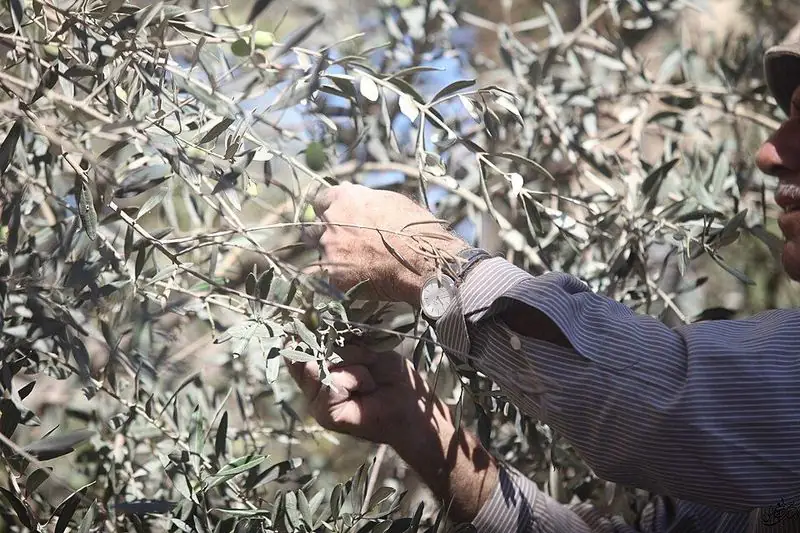
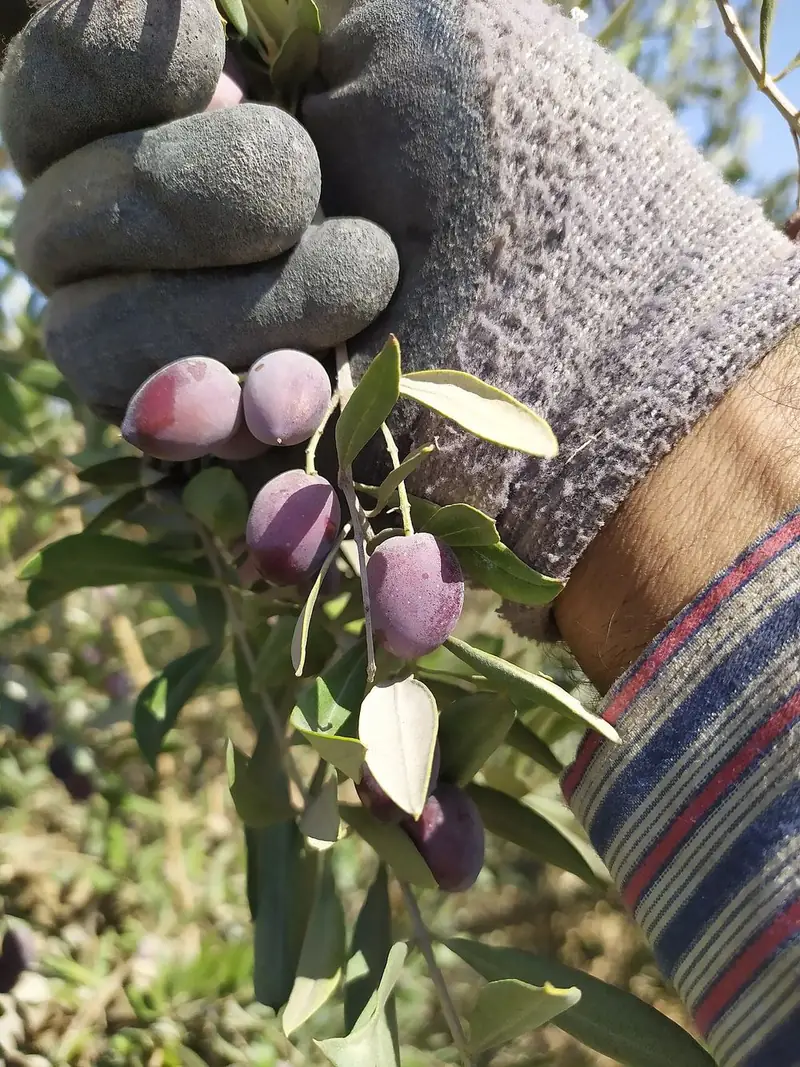
Most of the work is still done by hand. Tarpaulins are spread under each tree, branches are combed with small plastic rakes or simply stripped with the fingers, and the olives are sorted from leaves and twigs before they go into sacks.
For many families the groves are inherited, divided between siblings over generations, so that a single hillside can belong to dozens of people. Knowing which tree is whose is part of what is handed down.
Reaching the land is not always straightforward. Some groves lie close to settlements or beyond the separation barrier, and access to them depends on permits and on coordination with the Israeli authorities, sometimes for only a few days a year.
الزيت عماد البيت“Oil is the pillar of the home.”
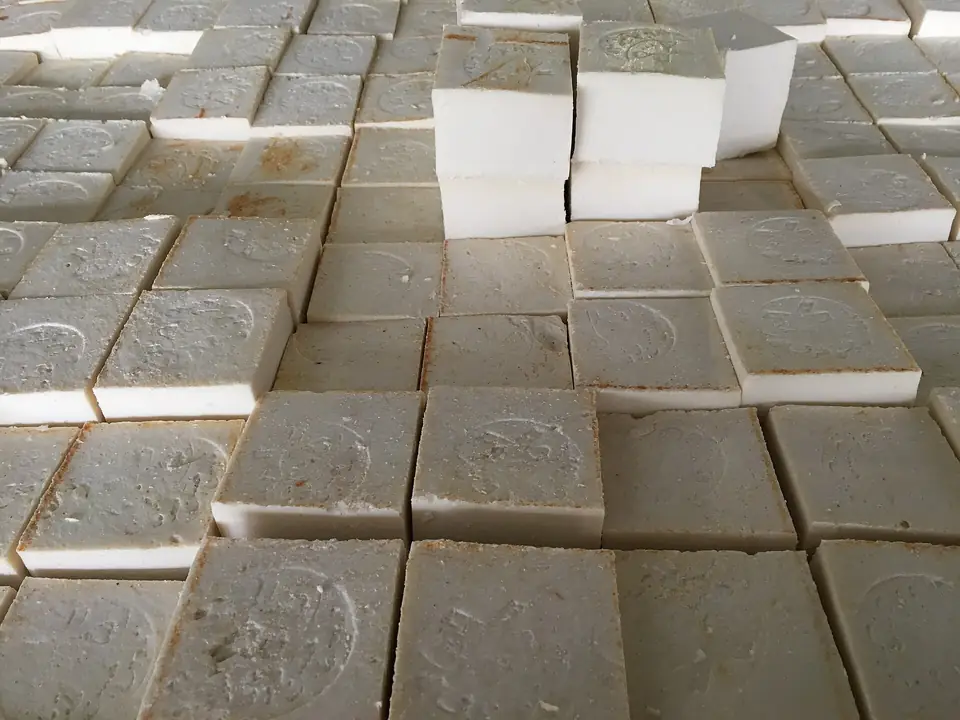
From the groves, the sacks go to the press. During the season, olive presses in and around the city run late into the night, and families wait their turn to watch their olives become oil: the measure, in the end, of the whole year’s work.
The season, step by step
-
Families check the trees and repair ladders, nets and tarps.
-
Picking begins, and whole families move to the groves at dawn.
-
Olives are sorted and taken to the press, where families wait their turn.
-
The last trees are picked, and the year’s oil is stored and sold.
[Interview passage: a grower describes the harvest in their own words. Quotes to be added by the reporter, with names and permission.]
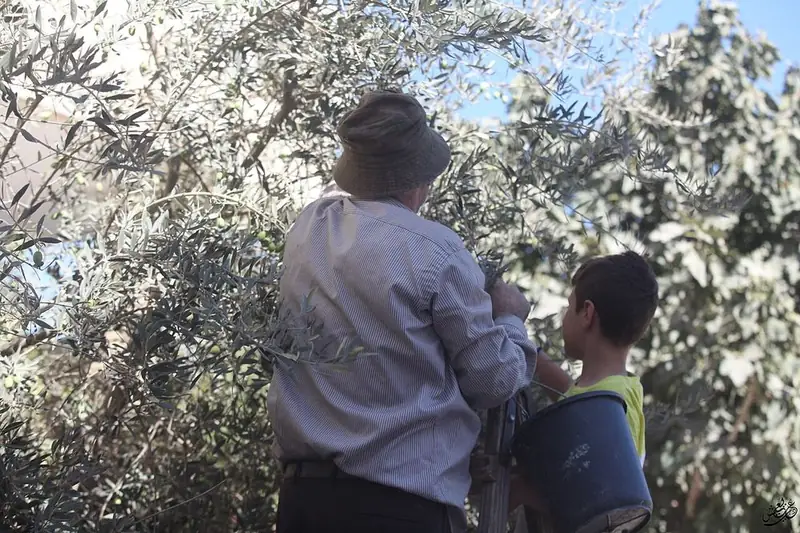
By late morning the tarps are full and the children have been sent for bread. The picking will go on like this for weeks, tree by tree, until the last branches are bare.