ExplainedCrafts
Nabulsi soap, explained: olive oil, time and a city’s craft
How the soap is made, why it cures for weeks, and where it is sold: the questions readers ask most, answered in order.
The short answer
The short answer
- A hard white soap made in Nablus from olive oil, water and an alkali, with nothing added for colour or scent.
- It is cooked in vats, set on the factory floor, cut and stamped by hand, then stacked in towers to cure for weeks.
- [How many factories still make it, from the reporting.]
01What is Nabulsi soap?
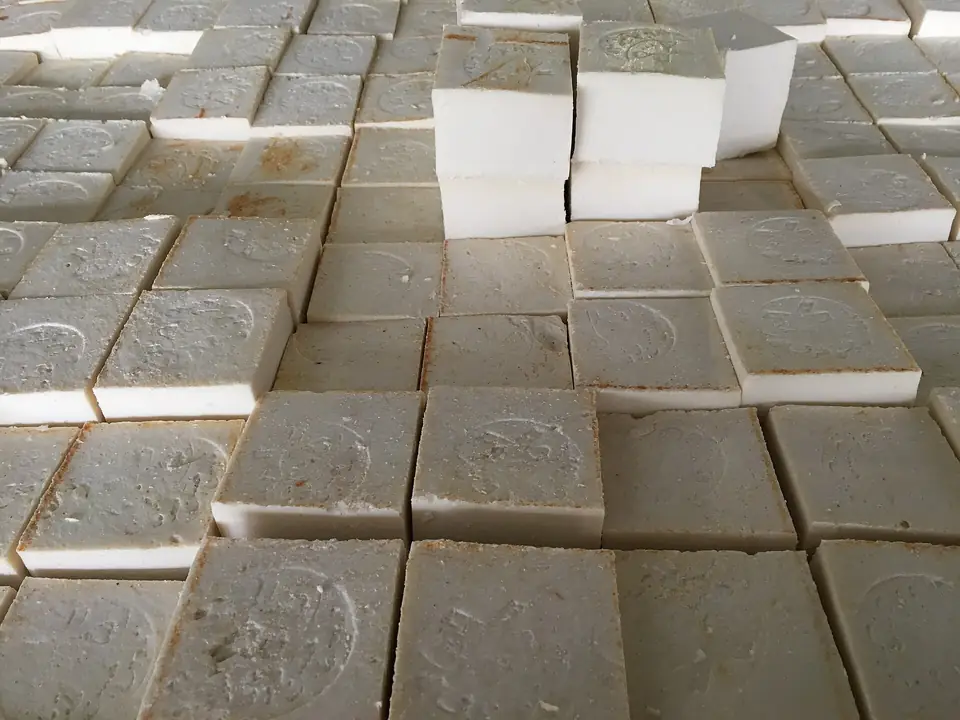
A hard soap made in Nablus from olive oil, water and an alkali. It is the colour of ivory, has no added colour or scent, and every bar carries the stamp of the factory that made it.
Soap has been made in the city for centuries, and the bars have been sold across the region for almost as long. [The earliest record, with its source, to be confirmed by the reporter.]
02What goes into it?
Three things: olive oil, water and an alkali, the ingredient that turns oil into soap. The oil has traditionally come from the groves around the city. The alkali was once made from plant ash; today most makers buy it ready-made. [Check the current recipe with the factories we visit.]
Context
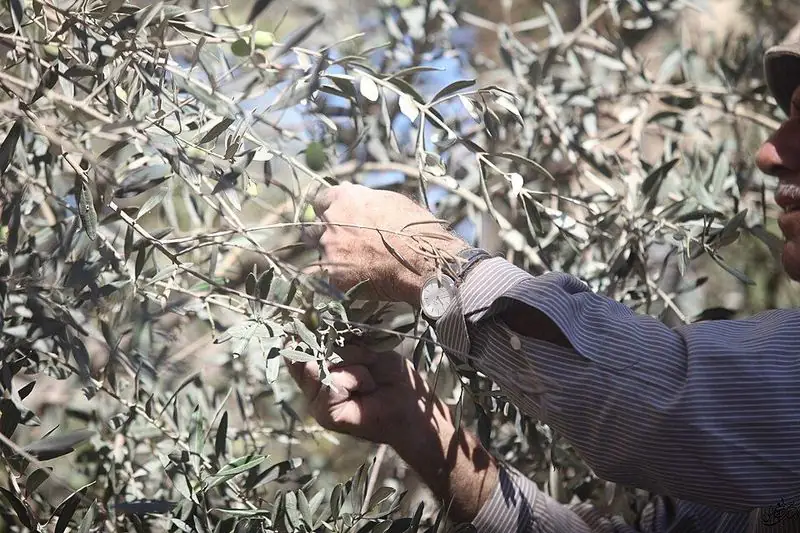
Nablus sits among some of the oldest olive groves in the region. Read our feature on the harvest.
03How is it made?
The method has changed little, and most of it is still done by hand.
-
Oil, water and the alkali are heated together in large vats and stirred until the mixture thickens.
-
The hot soap is poured onto the factory floor and smoothed into an even layer to set.
-
Once firm, the layer is marked into a grid and cut into bars by hand, and each bar is stamped with the factory’s seal.
-
The bars are stacked in tall, hollow towers so that air passes between them, and left to dry.
04Why does it take so long?
Curing lets the water in the soap evaporate, so the bar hardens and lasts longer in use. Makers leave the towers to dry for weeks, and sometimes for months. [Curing times, from the factories we visit.]
“[A soap maker on why the towers cannot be hurried.]”
05How many factories are left?
[Number] factories still make soap in Nablus today. [How many there were in the past, with the source and the year, and why the number fell.]
What we don’t know yet
[The questions the reporting has not answered yet, and what we are doing to find out.]
06Where is it sold?
In Nablus itself, in markets across the West Bank and in Jerusalem, and abroad, where it is sold as a traditional olive-oil soap. [Where the factories we visit sell their soap today.]
Key words
- Nabulsi
- Of Nablus: the city’s name as an adjective.
- Saponification
- The reaction between a fat and an alkali that produces soap and glycerine.
- Curing
- The weeks of drying after the soap is cut, while the bars harden.
- The seal
- The mark stamped on every bar, which tells you which factory made it.
Sources
- [Interviews: the soap makers we spoke to, with their roles.]
- [Documents and studies, with links.]