OpinionNotes from the hills
What a harvest season teaches a city about patience
The olive year cannot be hurried, and neither can the slow work of keeping a community together. [Standfirst: the argument in one sentence.]
Opinion
This column gives its writer’s view, not the Times of Palestine’s. How we label opinion.
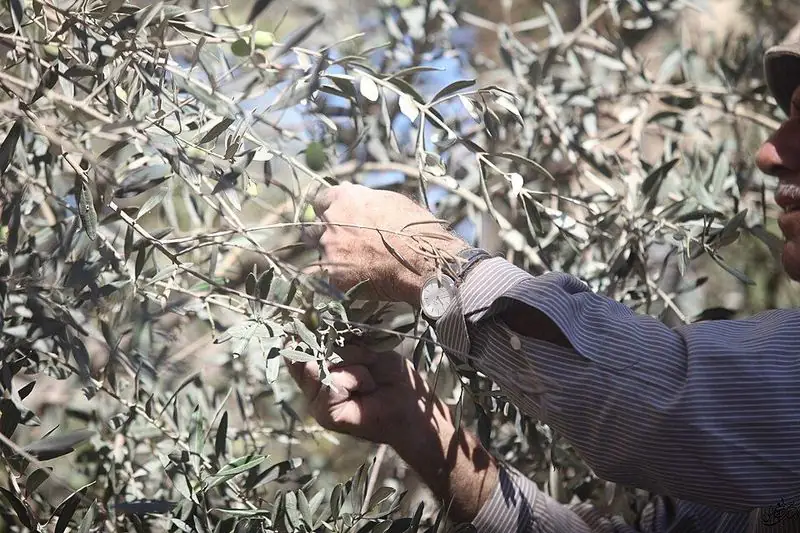
Every October the same argument plays out in every family: start now, or wait for the rain. The older people always say wait. The trees, they say, will not be rushed, and a harvest picked in a hurry is a harvest half lost.
I used to hear that as caution. Now I hear it as a method. The olive asks for a kind of attention that cities have mostly forgotten how to give: years of it, before anything is returned, and then a few weeks in which everything has to happen at once.
[Argument passage: the writer connects the season’s rhythm to the life of the city, with one concrete scene from their own street or family.]
“A tree that took forty years to grow will not be hurried by a single season.”
Patience is not the same as waiting. In the groves it means mending the ladders in September, spreading the tarpaulins before dawn, and keeping a place at the press for a neighbour whose sons are away.
[Argument passage: what the city could learn from that kind of patience, and where it is already practised without anyone calling it that.]
By November the trees are bare and the oil is in the jars. Nobody remembers who wanted to start early. What they remember is who came to help.