Explainers
The matters that sit under a week of daily lines: what they are, how they got here and what happens next, each one opened all the way down.
3explainers
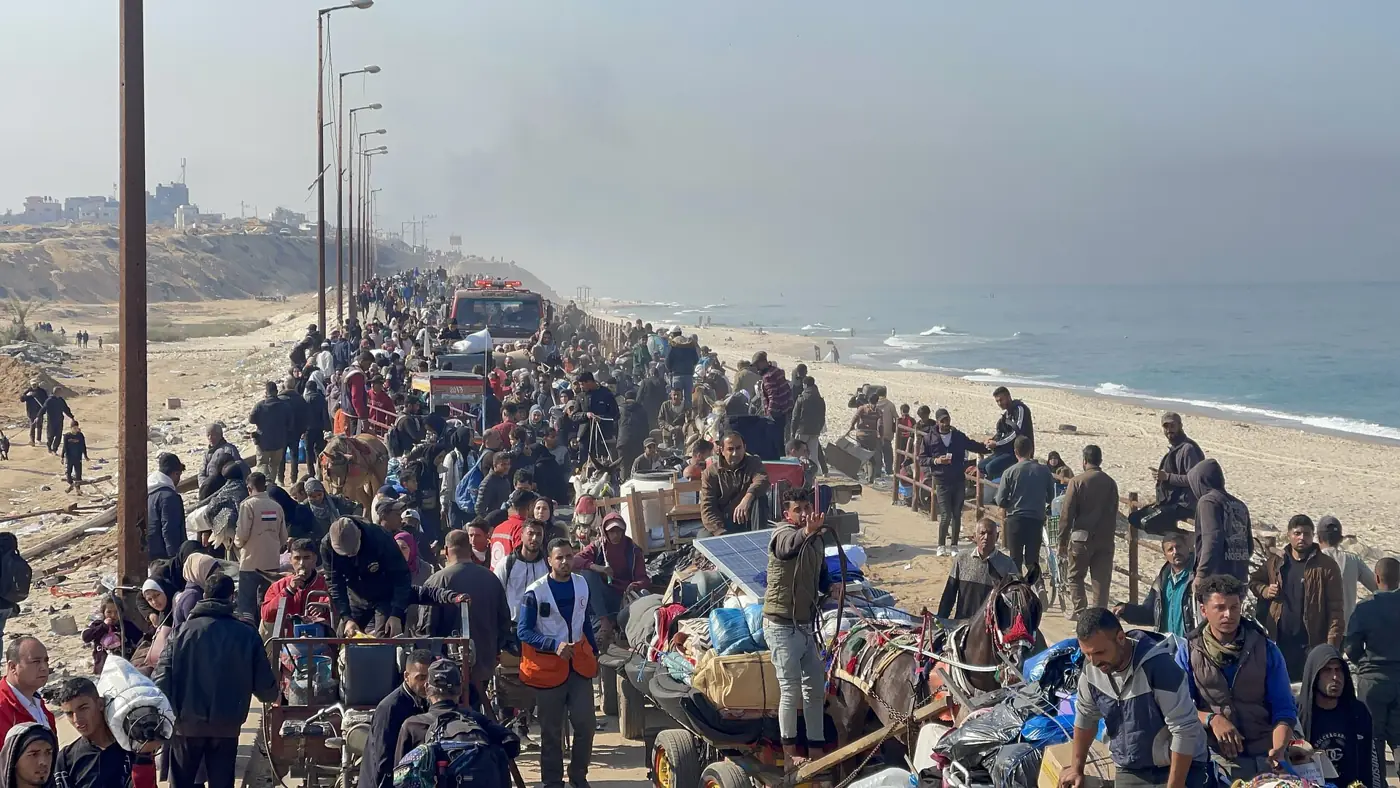
Explainer 1 of 3 · Gaza
The Gaza ceasefire, one year on: what phase two promised and why it has stalled
Phase one swapped hostages for prisoners and drew the yellow line. Phase two was meant to move Gaza from Hamas rule to a technocratic committee, an international force and staged Israeli withdrawal tied to disarmament.
- ContextThe yellow line is marked by earthen berms, yellow-painted concrete blocks and military posts running about 65 km from Rafah to Beit Hanoun. Residents are barred from approaching it, and it cuts off most of Gaza's farmland.
- Numbers53% → ~70%share of Gaza under Israeli control: allowed by the deal vs official accounts a year on
- Voices“Withdrawal must move in lockstep with decommissioning.” Nickolay Mladenov
- What nextMediators had seen little chance of a breakthrough before Israel's 27 October election; the result, and whether the ISF begins to deploy from November, will shape what comes next.
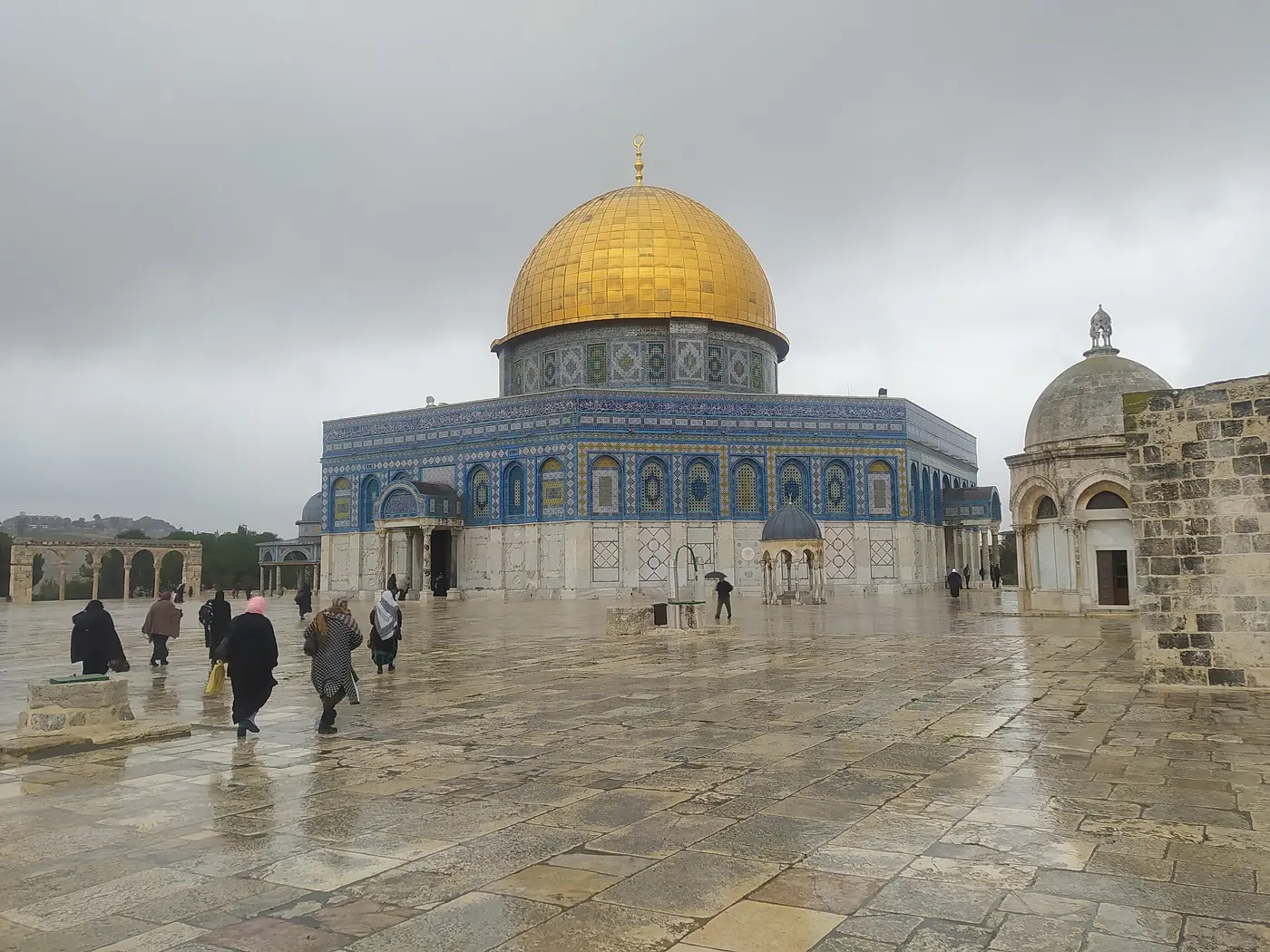
Explainer 2 of 3 · Jerusalem
The Al-Aqsa status quo: an unwritten deal now being worn away
Jordan's Waqf runs religious affairs, Israel controls security, and every shift in the rules is felt across the region.
- ContextOn Tisha B'Av in July 2026 about 3,000 Jews had entered by midday, according to the advocacy group Beyadenu, and about a dozen were arrested for praying on the western side.
- Numbers40,661settler entries to the compound, January–August 2026
- Voices“a flagrant violation of the historical and legal status quo” Jordanian foreign ministry spokesman
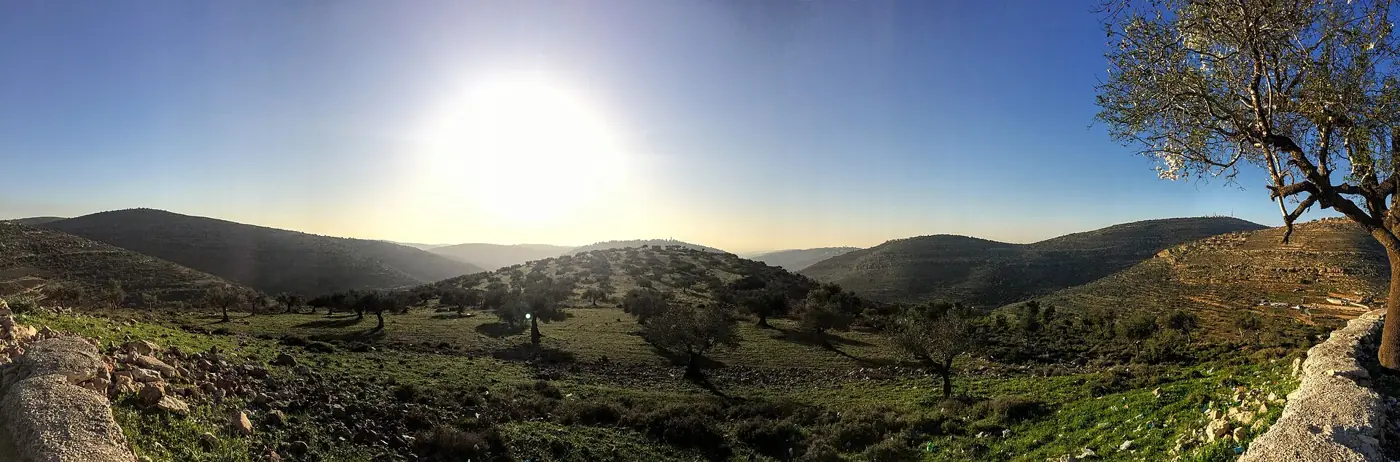
Explainer 3 of 3 · West Bank
Why the olive harvest has become the West Bank's most dangerous season
Olives are income, inheritance and identity for Palestinian villages. Access permits, closed military zones, settler violence and theft now shape who can pick, and when.
- ContextIsraeli forces have uprooted or damaged more than 10,000 trees in 2026 and settler attacks have damaged more than 20,000 more, OCHA says.
- Numbers272harvest-related settler attacks, 1 Sept–19 Oct 2026
- Voices“Palestinians often say that olive trees are symbolic of their existence as a group and their connection to the land,” Ajith Sunghay
- What nextThe harvest season continues until the end of November.