The Gaza ceasefire, one year on: what phase two promised and why it has stalled
Phase one swapped hostages for prisoners and drew the yellow line. Phase two was meant to move Gaza from Hamas rule to a technocratic committee, an international force and staged Israeli withdrawal tied to disarmament.
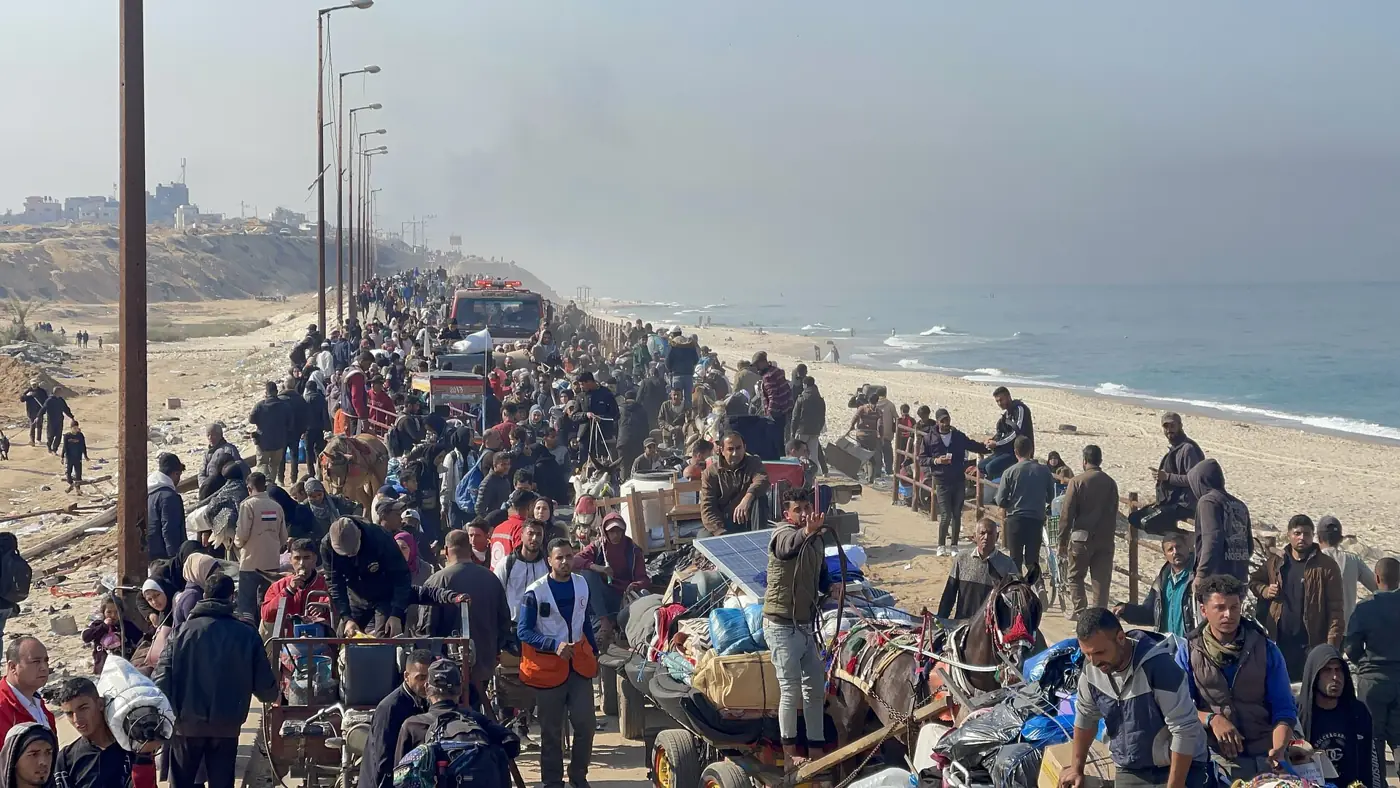
A year after the October 2025 truce, hostages are home and rockets have stopped, but Hamas has not disarmed, Israel has not withdrawn and Israeli control has grown from 53% of Gaza to around 70%.
Phase one: Hamas freed the 20 remaining living hostages within days of the October 2025 deal in exchange for Palestinian prisoners, and no rocket attacks have come from Gaza since, AFP reported on the anniversary. Israeli forces pulled back to the yellow line, which roughly divides the Strip east from west.
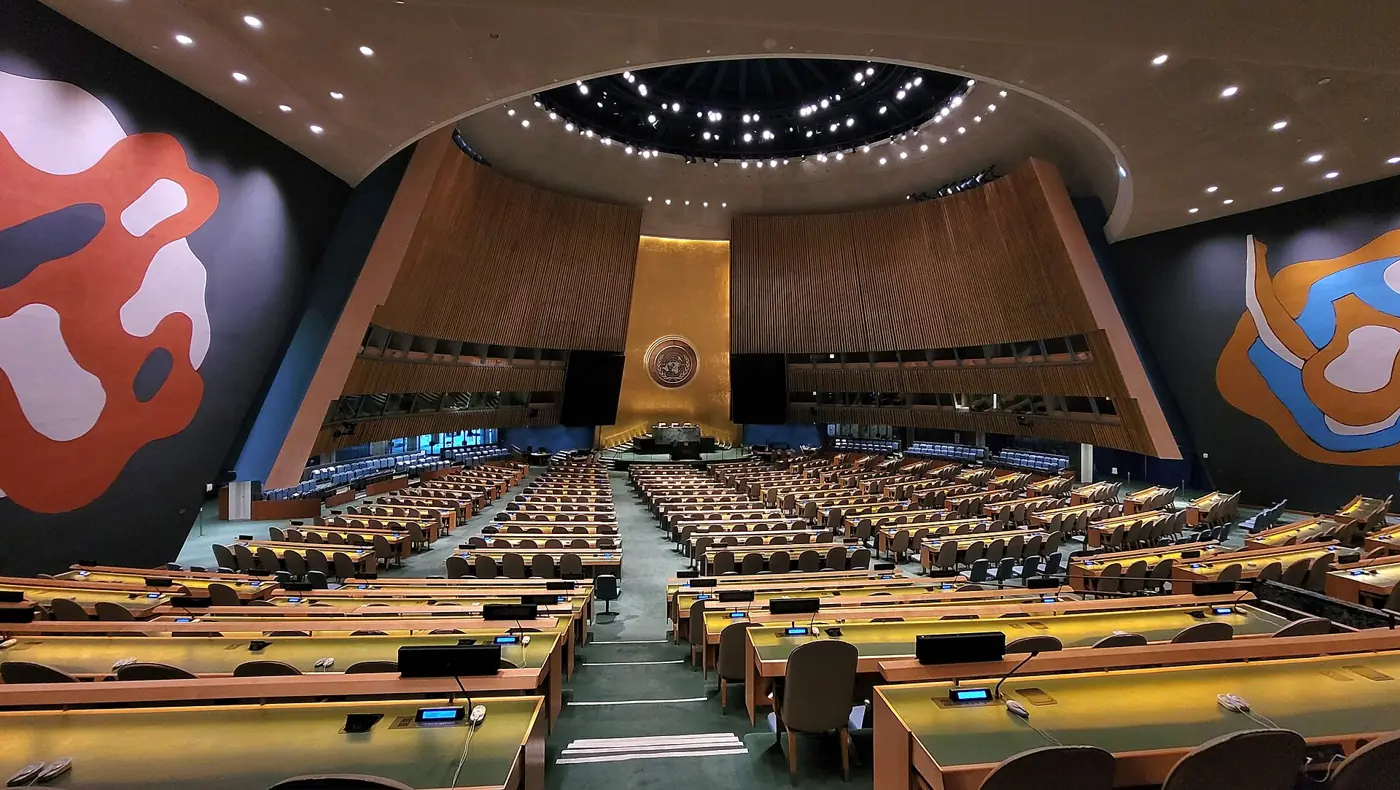
Phase two: under the Board of Peace roadmap Hamas accepted at the end of July, weapons would be stored under a Palestinian committee, the National Committee for the Administration of Gaza (NCAG) would take power in stages, and an International Stabilisation Force would work with a new Palestinian police. The board's envoy, Nickolay Mladenov, said withdrawal must move in lockstep with decommissioning.
Where it stands: Israel insists on full, verified disarmament first; Hamas has not begun to disarm. Israel has expanded its hold to about 70% of the Strip by official accounts. Albania, Kosovo, Kazakhstan and Morocco have committed to the ISF, but none has deployed.
Money: Trump promised $10 billion in January and donors pledged $17 billion in February, but AFP reported no reconstruction funds are known to have reached Gaza. The board proposed a $2.45 billion six-month recovery plan in September.
Cost: Gaza's health ministry, whose figures the UN considers reliable, counted 1,522 Palestinians killed between the truce and 19 October 2026.
Contextlayer 1
The yellow line is marked by earthen berms, yellow-painted concrete blocks and military posts running about 65 km from Rafah to Beit Hanoun. Residents are barred from approaching it, and it cuts off most of Gaza's farmland.
Source: The New Arab
Numberslayer 2
share of Gaza under Israeli control: allowed by the deal vs official accounts a year on
Source: AFP via Oman Observer
pledged at the February 2026 donor conference, with only a tiny fraction transferred
Source: The Times of Israel
Voiceslayer 3
Withdrawal must move in lockstep with decommissioning.Nickolay Mladenov, Board of Peace High Representative for Gaza · Al-Monitor
reduces the whole process to a single clause – disarmamentSenior Hamas source, speaking to CNN, April 2026 · The Times of Israel
What nextlayer 4
Tue 27 Oct
Mediators had seen little chance of a breakthrough before Israel's 27 October election; the result, and whether the ISF begins to deploy from November, will shape what comes next.
Source: The Times of Israel
Sources
- AFP via Oman Observer, 10 Oct 2026
- Al-Monitor, 30 Jul 2026
- The Times of Israel, 29 Jun 2026
- The New Arab, 26 Feb 2026
- OCHA, 22 Oct 2026
Every figure and quote above links to where it was published. Something wrong? Corrections.