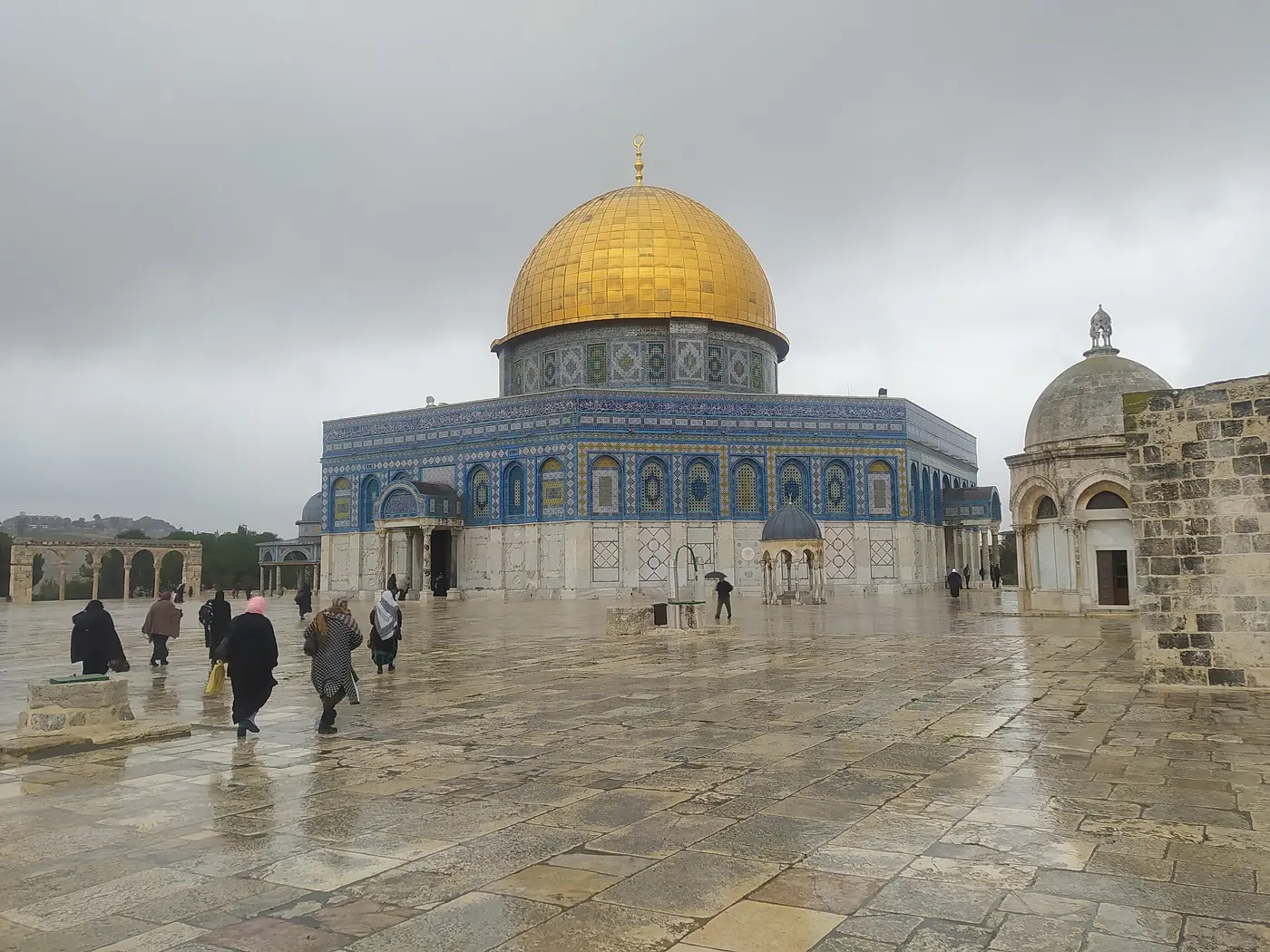
Under the long-standing status quo, Muslims pray at the compound while non-Muslims may visit only at set times through one gate and may not pray; police now in effect allow Jewish prayer on its eastern side.
The arrangement: the status quo is vague and unwritten. Muslims can enter and pray with few restrictions. Non-Muslims, including Jews, may visit only in limited time slots through a single gate, and are not supposed to pray, The Times of Israel reports.
Who runs it: Israel captured the site in 1967 but left religious authority with the Islamic Waqf, administered by Jordan. In the 1994 peace treaty Israel recognised Jordan's special role in Muslim holy shrines in Jerusalem.
What has changed: police now de facto permit Jewish prayer on the eastern side, while arrests continue for prayer on the western side. National Security Minister Itamar Ben Gvir, who oversees the police, has prayed openly there; Netanyahu's office says the status quo remains in force.
Scale: the Jerusalem Governorate counted 40,661 settler entries between January and August 2026, and Palestinian estimates put Sukkot entries at more than 9,000.
For Palestinians, restrictions have tightened: Waqf guards say they can be barred for six months for looking at a settler, and worshippers report bans over social media posts.
Contextlayer 1
On Tisha B'Av in July 2026 about 3,000 Jews had entered by midday, according to the advocacy group Beyadenu, and about a dozen were arrested for praying on the western side.
Source: The Times of Israel
Numberslayer 2
Voiceslayer 3
a flagrant violation of the historical and legal status quoJordanian foreign ministry spokesman, on Tisha B'Av visits, July 2026 · The Times of Israel
Al-Aqsa is my soul.Alia Abu Ghannam Abu Subaitan, worshipper · The New Arab
Sources
- The Times of Israel, 23 Jul 2026
- The New Arab, 5 Oct 2026
- WAFA, 25 Oct 2026
Every figure and quote above links to where it was published. Something wrong? Corrections.