The harvest runs from mid-October to the end of November and supports tens of thousands of families; in 2026 harvest-related settler attacks passed the full-season totals of the two previous years by mid-October.
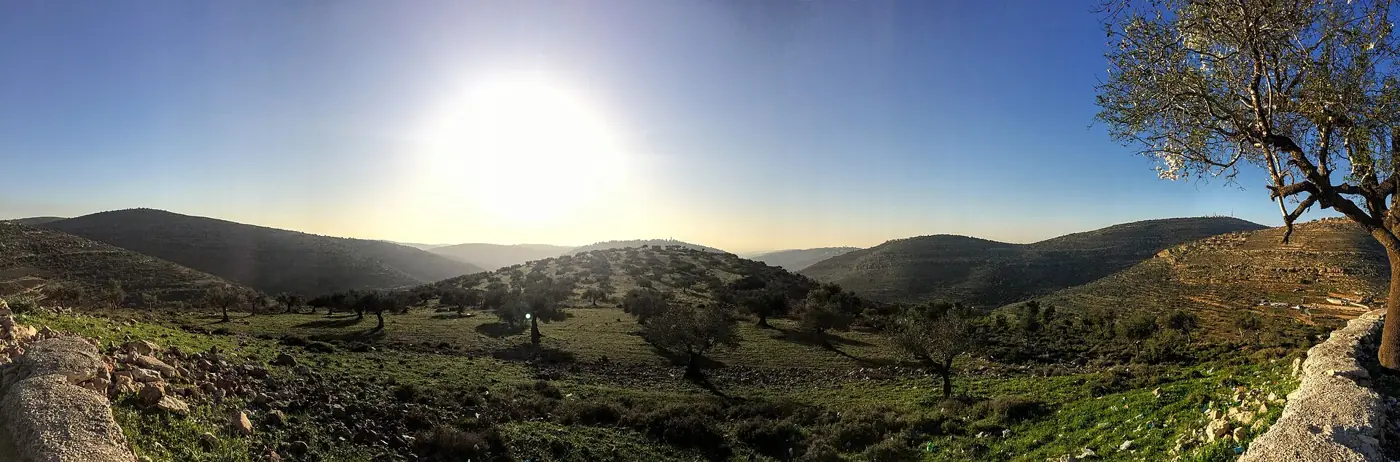
The season: the harvest officially began on 15 October and runs to the end of November, though many families started two weeks early this year to limit the risk of attack, France 24 reported.
The economy: in 2019 more than 10 million olive trees supported 80,000 to 100,000 families, according to OCHA figures cited by France 24. B'Tselem puts the sector's value at about $170 million a year.
Access: much land near settlements can be reached only with prior coordination with Israeli authorities. That zone grew to about 88,300 dunums in 2026, nearly 30% more than in 2025, OCHA says.
Violence: OCHA counted 272 harvest-related settler attacks between 1 September and 19 October, against 224 in all of 2024 and 185 in 2025. Yesh Din recorded 168 cases of crop theft in the first 24 days.
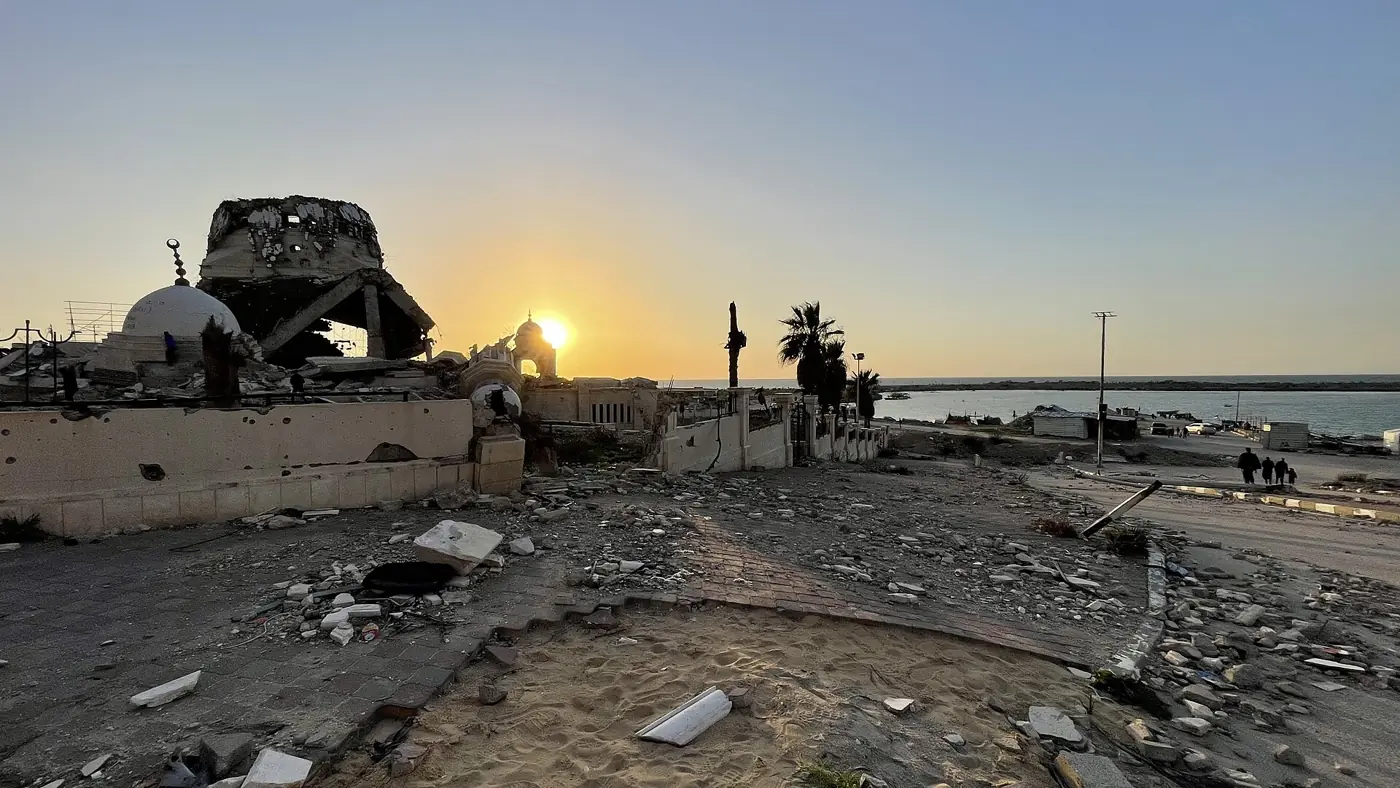
Losses: the Palestinian agriculture ministry estimates $157 million in losses since October 2023, and says 90% of Gaza's two million olive trees have been destroyed.
Contextlayer 1
Israeli forces have uprooted or damaged more than 10,000 trees in 2026 and settler attacks have damaged more than 20,000 more, OCHA says.
Source: OCHA
Numberslayer 2
Voiceslayer 3
Palestinians often say that olive trees are symbolic of their existence as a group and their connection to the land,Ajith Sunghay, head of OHCHR in the occupied Palestinian territory · UN News
What nextlayer 4
Mon 30 Nov
The harvest season continues until the end of November.
Source: France 24
Sources
Every figure and quote above links to where it was published. Something wrong? Corrections.